

League of Legends is something much bigger to me than a game I launch only to win or reach a higher rank. It is one of the longest-running hobbies in my life and a huge chapter that has developed together with me over many years. There were beginnings when I understood almost nothing, then learning champions, items, the map and tactics, my first ranked games, friends, playing together with GatePlay, The Snake Deaf team, lowisko, 1v1 tournaments, Clash, IEM Katowice, esports, skins, pentakills, toxicity, punishments, a permanent ban, breaks and later returns. I do not want to present this story as if I had always been a great player or had always behaved perfectly. That would not be true. I made mistakes, lost games, became angry, sometimes crossed the line and only later understood the consequences. At the same time, League gave me many good memories that I do not want to lose. That is why this text is not just a story about rank. It is a story about a part of my life.
My oldest memories of League of Legends go back roughly to the beginning of the previous decade. I no longer remember the exact first day or the first match, and I do not want to invent something years later just to give the story a perfect date. What I do remember is how unfamiliar the entire game felt to me. I did not understand the difference between AD and AP, I did not fully know what a tank was, why one champion could deal enormous DMG while another dealt much less but was extremely difficult to kill. I did not understand items, builds or why the same champion could behave completely differently depending on what we bought. TOP, MID, JUNGLE, ADC and SUPPORT were also things I had to learn. Then came more words: gank, KS, feed, troll, toxic, push, back, enemy, help, win, lose, buff, nerf and dozens of other terms that are normal to me today but once felt like a completely new language.
One of the most important people during my beginnings was GatePlay. We had known each other for many years from school, and it was not a friendship that existed only online. League simply became part of our everyday life. GatePlay explained many of the basics to me when I still did not really know what I was doing. He showed me the difference between AD, AP and tanks, explained items and helped me understand why certain things were bought for certain champions. For a long time, AP did not feel as natural to me as AD. AD was easier for me to understand visually: I buy an item, look at the stats, attack an opponent, watch the damage and begin to see the relationship. That was the most effective way for me to learn. Reading text alone was not always enough. I needed to see something, try it and test it in practice.
I learned Q, W, E and R in the same way, together with summoner spells on D and F. Today my hands perform many of these actions automatically, but back then every element was something new. Ashe strongly reminds me of that period of learning the basics, although I do not want to claim that she was definitely the first champion I ever selected. What I do remember is a huge number of older champions: Warwick, Wukong, Garen, Lux, Morgana, Twitch, Caitlyn, Sivir, Fiora, Malphite and many others. Every champion had different abilities and required another stage of learning. Sometimes I did not understand a skill, sometimes I bought the wrong item, and sometimes somebody tried to explain something in English in chat but I only understood part of the message.
League was also one of the places where I learned a lot of English related to gaming. I did not learn those words like a vocabulary list from a school textbook. I saw a situation and immediately connected the word with what was happening on the screen. Somebody wrote “back” and I could see that we needed to retreat. “Push” meant moving the lane forward. “Help” was a request for support. Over time, I also learned the worse side of communication: toxic, report, feed, troll, provocations and insulting phrases. Sometimes somebody helped me, sometimes somebody insulted me, and sometimes I reacted badly myself. League therefore taught me not only the game, but also a lot about how people behave.
League of Legends has been part of my life since around 2012. Looking back at my early years in the game, I realise how different both League and my understanding of it were compared with today. Many things that now feel completely normal were once genuinely difficult for me to understand.
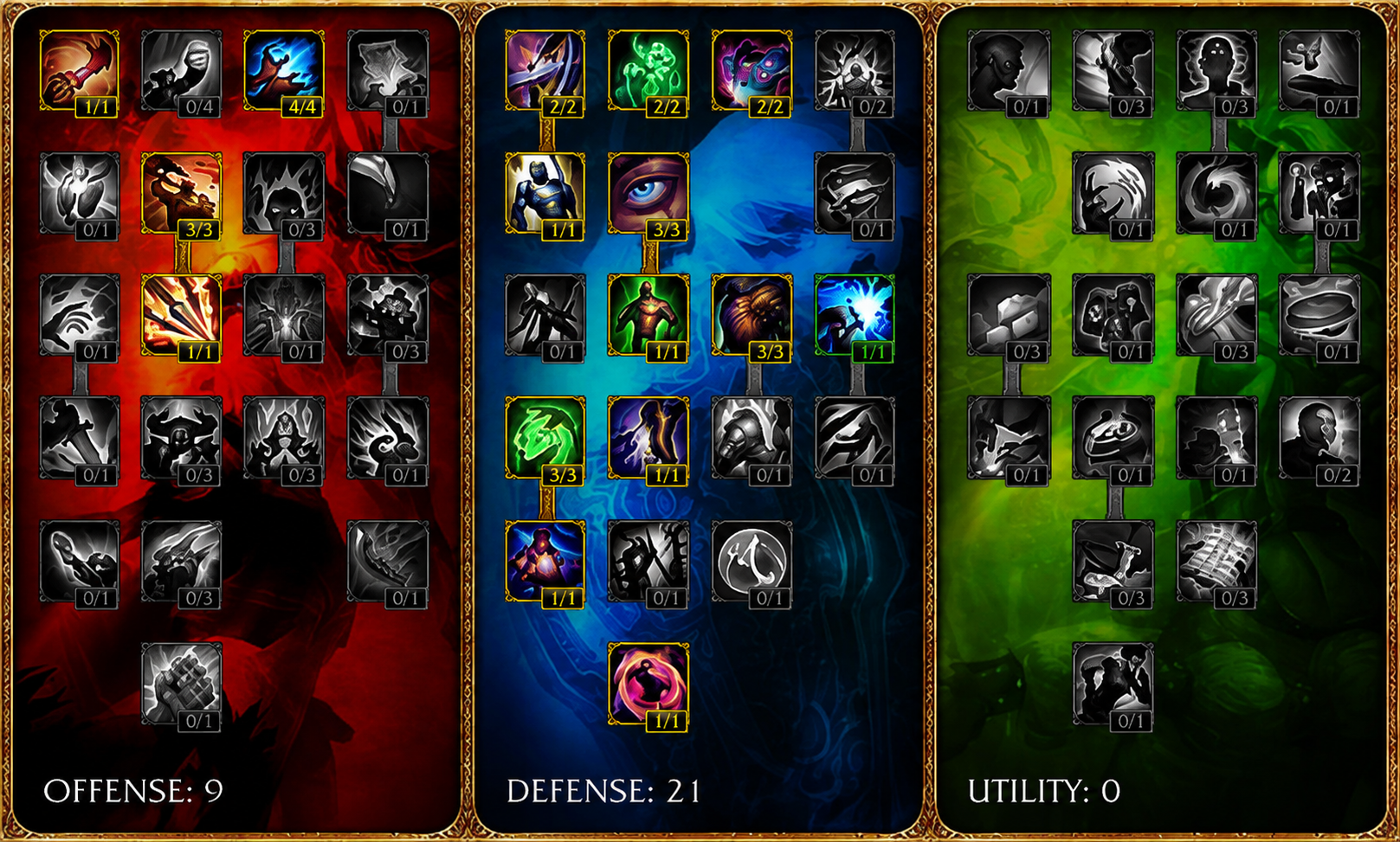
One of the best examples was the old system of Masteries and runes. League used the old Offense, Defense and Utility Masteries, where points were distributed through different trees. At the time, screens filled with statistics, symbols and English terminology could be confusing to me. Simply seeing what another player selected did not mean that I understood why they selected it.
There was also a period when I did not properly understand how important the old runes were. I remember entering games without using them properly and wondering why some opponents seemed stronger than me, dealt more damage and won trades so easily. Sometimes I would start dying repeatedly without understanding what was causing such a difference.
Instead of simply accepting that somebody was stronger, I started asking myself why. When the same problem happened repeatedly, I began searching for the reason. I compared what other players were using, looked through statistics and tried to understand what all those unfamiliar symbols and words actually meant. GatePlay also explained parts of the system to me, but even an explanation did not automatically make everything clear.
The language itself was another challenge. Some English gaming terms initially meant very little to me. Sometimes I needed to encounter the same word many times and connect it with situations inside the game before I finally understood what it meant. Looking at experienced or esports players did not immediately solve everything either. I could see what somebody was choosing or building without understanding why they were doing it.
It took repetition. Slowly, the symbols, statistics and terminology that once looked almost meaningless began to make sense. That became one of my normal ways of learning League: play, make a mistake, lose, ask why, search for the reason, understand a little more and try again.
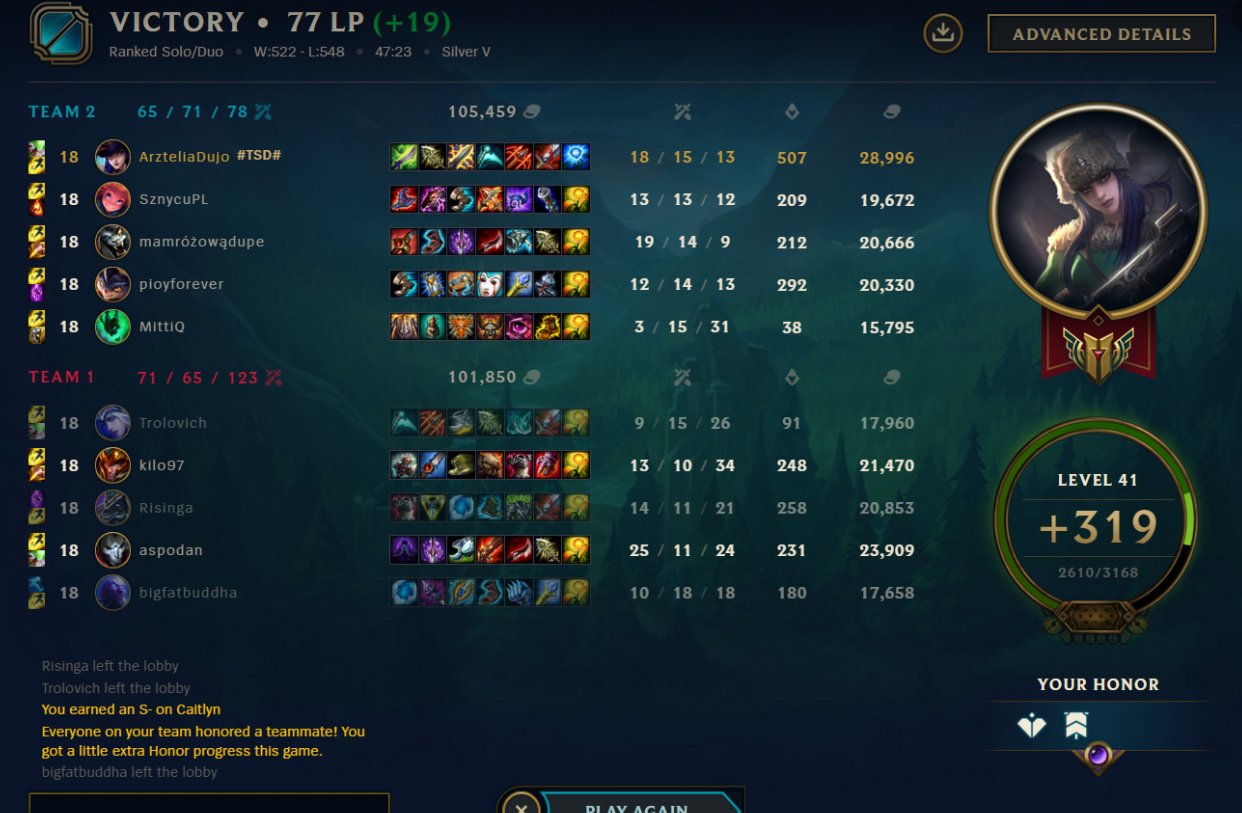
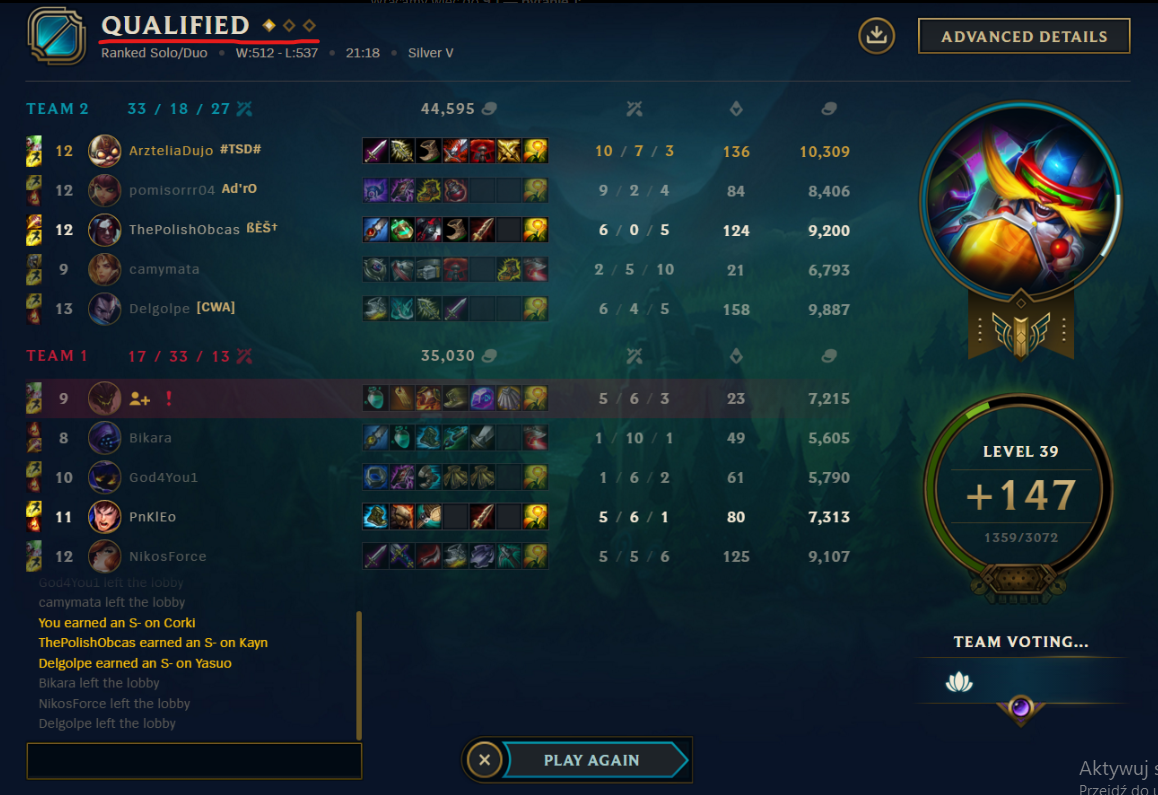
Ranked was another challenge. One of my surviving screenshots shows my old account ArzteliaDujo in Silver V with QUALIFIED, Ranked Solo/Duo and a record of 512 wins and 537 losses. Those numbers alone represent 1,049 ranked games recorded on that screen.
I still remember the old promotion system. Reaching the required LP did not automatically mean moving forward. You could reach the promotion stage, play the required series and still fail to advance. After spending so much time climbing, losing a promotion series could be extremely frustrating because you then had to work towards another opportunity.
Silver V itself is also a reminder of how much League has changed. The ranked structure was later reorganised, Iron was introduced and the old divisional promotion experience eventually disappeared. I prefer several aspects of the newer progression because some of the barriers that made the old climb frustrating are no longer there.
The important thing for me is not that Silver was an extraordinary rank. It was not. What matters is how much work it took me to understand things that eventually became normal. I had to learn farming, builds, runes, Masteries, positioning, champions, matchups and ranked progression while also learning a large amount of gaming terminology.
Sometimes GatePlay helped me. Sometimes I watched other players or esports. Sometimes I searched for information myself. And sometimes the learning started simply because I had lost badly and wanted to understand what I had done wrong. Eventually I understood that copying somebody else's setup and understanding why that setup works are two completely different things.
The same happened with farming. Over time, I began paying much more attention to CS and comparing my farming with the length of a match. I remember one particularly long game in which I reached approximately 507 CS. Until I recover the original screenshot, I treat that exact number as a personal memory rather than a documented record. What matters to me is what it represents: I had reached a point where I was no longer simply playing. I was observing numbers, comparing performance, looking for mistakes and consciously trying to improve.
From around 2012 to 2026, League has been present in my life for roughly fourteen years. At different points I remember counters around 1,000–1,200 matches and later approximately 1,400 or more. Because those numbers come from different moments, accounts or counters, I do not want to simply add them together and pretend that I know my exact lifetime number of matches.
I do not know my exact lifetime playtime either. More than a thousand matches already represents an enormous amount of time, especially when some games could last 45–50 minutes or longer. There were also queues, champion select, builds, runes, watching other players, talking about tactics, learning champions, analysing statistics and thinking about mistakes after games. Across roughly fourteen years, the real amount of time I spent around League is therefore much larger than any single old counter can show. I would rather admit that I do not know the exact number than invent thousands of hours simply because the number sounds impressive.
By 2026, however, my relationship with League has slowly started changing. I estimate that I may play somewhere around 400–800 games during the year, although I do not treat that as an exact number. Compared with some periods of my past, I simply have less time.
It is not because League suddenly stopped being interesting to me. My life changed. I have responsibilities, challenges, plans and goals. When I travel or have something important that needs to be done, gaming naturally moves further down the list.
When I have a lot of free time at home, I can still become extremely focused on League. I can play for a long time, concentrate on matches, repeat things, analyse mistakes and continue trying to improve. In a strange way, I have always been able to show a lot of discipline inside League. As I have grown older, however, I have also learned that I need discipline outside the computer. Sometimes that means choosing an obligation, challenge or personal goal instead of another match.
Sometimes I genuinely miss the game. After being away for a while, I can suddenly feel the desire to return and play again. I cannot predict what this will look like in the future. Maybe I will eventually play much less. Maybe there will be periods when I barely play at all. Maybe I will suddenly have more free time and return for another intense period. Maybe somebody will invite or challenge me to play and I will want to come back.
There is something about League that continues to interest me after all these years. Competition, mechanics, decision-making, improvement, different champions, different opponents and unpredictable matches still attract me. The desire to play another game can sometimes be very strong, but my relationship with League has both positive and negative sides. It has given me entertainment, competition, friendships, learning, frustration, anger and memories that stayed with me for years.
One of the negative sides of my League experience has been my frustration with parts of the punishment system. I understand why rules and penalties are necessary. Deliberate cheating, hacking, intentionally destroying games, knowingly trolling other players or repeatedly crossing serious boundaries should have consequences. I am not trying to argue that every punishment is wrong or that players should be able to do whatever they want without responsibility.
Where I disagree more strongly is when very different situations can end up feeling as if they are being treated in the same way. Intentionally leaving a match is not the same thing to me as losing connection, having an old computer freeze, experiencing a crash or encountering a technical problem while genuinely trying to return to the game. I remember situations where I wanted to continue playing and tried to come back, but the computer, connection or game itself did not cooperate. From the outside, the result may look like an AFK player. From the player's side, however, the intention can be completely different.
I would personally prefer a punishment system with more room for proportional consequences and rehabilitation. Temporary suspensions lasting weeks or months can still be serious punishments. Repeated intentional behaviour can justify increasingly severe consequences. In my own view, permanent bans make the most sense for the clearest and most serious cases, especially deliberate cheating, hacking or behaviour that repeatedly shows no willingness to change.
I know that Riot Games creates and enforces its own rules, and other players may disagree with my opinion. I also know that I made real mistakes myself. My disagreement with parts of the system does not erase my responsibility for trolling, insults or other behaviour that I chose to do. At the same time, admitting my own mistakes does not mean I have to agree with every punishment or every part of the system. Both things can be true at once.
Losing access to an account can feel much bigger than simply losing a username when that account represents years of matches, progress, money and memories. That is one reason my relationship with League can be complicated: I can disagree strongly with parts of the system while still genuinely loving the game itself.
For many years in League of Legends, I used the nickname dudon12. That is the correct name I want to keep in this story. On that main account, my LoL nickname history was simple: dudon12 → ArzteliaDujo. For a long time I was dudon12, including during the period connected with The Snake Deaf. At the same time, on Steam I experimented with many different names. I changed them repeatedly, tested different ideas and searched for something that would really feel like mine. That is where the naming history was much more chaotic.
The “Arztelia” part had appealed to me earlier, partly through my time around Metin2. I do not want to say that I invented the word completely from nothing, because I remember seeing that name before and simply liking the way it sounded. Later, during technical school, when I was studying mechatronics and playing games such as CS with classmates, the idea appeared to combine Arztelia with “Dujo”, which in some way connected back to my earlier nickname and surname. ArzteliaDujo. I liked that combination the most. In League, however, throughout the earlier period I was still dudon12. Only later did I pay for a name change and directly change dudon12 into ArzteliaDujo. From that moment on, the name stayed with me and I still use it today. Over time, it stopped being only a game nickname. It became a name that I identify with my own projects and my presence online.
I also have one of the funniest and most unusual memories from my youth connected with GatePlay. We visited each other, went to school and League was simply part of normal life. I remember a period when my mouse practically did not allow me to play normally. For many people the answer would have been simple: my mouse does not work, so I do not play. I started experimenting instead. I used the laptop touchpad, the small panel used to control the cursor, and at the same time tried to operate the keyboard. Movement was more difficult, clicks were slower, and sometimes using QWER or number keys for items and healing was a problem, but I kept trying anyway.
For about a week, I managed to play like that without a normal mouse. Sometimes I wondered myself how I was even managing. GatePlay laughed a lot at the situation, but at the same time he was surprised that I could still play and sometimes win. There was no magical technique behind it. I simply had a problem and looked for a solution. If I could not do something in the normal way, I tried to find another way.
The best part is that later the situation was reversed. I once visited GatePlay and found out that he had a problem with one hand and could not use it normally. I thought that there was no way he could properly play like that. But he did exactly what I had done earlier: he started experimenting. He tried to control the game with one hand, created his own way of clicking and somehow managed. I watched him and was genuinely surprised. Sometimes we lost, but many moments went much better than anyone would have expected. We laughed because at different times both of us had ended up in absurd situations: I had tried to play without a normal mouse, and later he tried to play with limited use of one hand. Even then, neither of us immediately said, “it cannot be done.”
Years later, this kind of memory is extremely valuable to me. It is not about rank or the result of one specific match.I see two young people sitting at a computer in difficult conditions and, instead of giving up, trying to find their own solution. It also fits the way I later started looking at the game itself: if plan A does not work, I look for B. If B does not work, I try C. I will not always find the answer, but I want to try first.
Over the years, I also watched League of Legends itself change enormously. I remember older versions of Summoner’s Rift and periods when the map looked completely different from today. I remember the old Baron and a time before all the later Void-related elements existed. Then Rift Herald appeared, followed by more map changes and new mechanics. Today, players can see Void Grubs, Herald, Baron and many systems that simply did not exist when I started. When I look at the modern map, I sometimes remember how much simpler it used to feel.
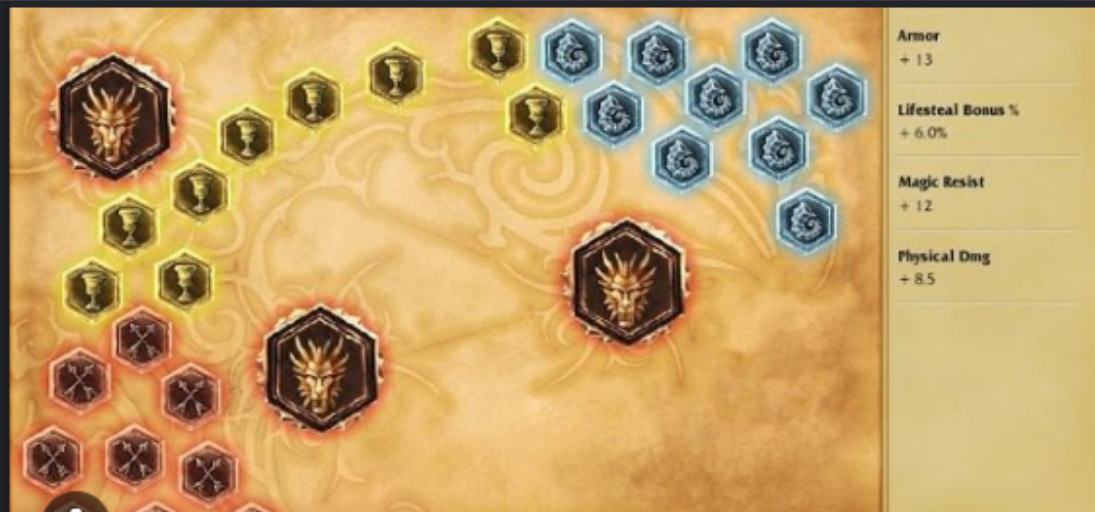
The same happened with dragons. Over time, different Dragon types appeared, different bonuses and later terrain changes. Fire, mountains, movement speed, regeneration and other effects meant that it was no longer enough to think, “there is a dragon, kill it.” You needed to understand what it gave, how it changed the map and whether it truly mattered in that situation. I also remember changes to bushes, paths and terrain that immediately made me think of champions such as Rengar, because bushes can completely change what such a champion is able to do. I do not want to assign a perfect date to every change after so many years because some details naturally fade. What I do remember is my reaction: Riot changes something, I look at it and think, “now I have to learn again.”
The same was true for reworks. I remember Fiora before and after a major change. Her old ultimate looked completely different to me and visually reminded me of very fast movement between targets. The later Fiora, with four Vitals revealed during her ultimate and a healing zone that could appear after hitting all four or after the target died following at least one Vital hit, required a different way of thinking.
Mordekaiser is another rework I remember strongly. His old ultimate, Children of the Grave, could turn a defeated enemy into a ghost that followed and fought for him, while the later Mordekaiser instead uses Realm of Death to isolate one opponent in a separate 1v1 dimension.
I also remember major changes and reworks to champions such as Warwick, Urgot, Kayle and Wukong. Some of them changed so much that seeing the newer version after remembering the older one almost felt like learning the champion again.
I do not have a rule that “old was always better” or “new is always better.” Sometimes I preferred the old version, sometimes the rework improved something I had not liked before, and sometimes I simply treated the two versions as two different ways of playing the same champion. In the end, Riot makes the decision to rework a champion, and I can adapt and learn the character again.
I tried almost every role. I played TOP, MID, JUNGLE, ADC and SUPPORT. On TOP I remember champions such as Fiora, Malphite, Tahm Kench and many others. In Jungle I experimented with different champions, on MID I also tested different styles, and as SUPPORT I saw the game from a completely different side. In the end, however, I stayed most strongly connected to ADC. It is the role that best fits the way I like to think during a match: farming, distance, positioning, observing the opponent, cooperation with the support, aggression at the right moment and looking for a chance to turn a fight around.
The champion I feel most connected to in this story is Jinx. That does not mean I played only Jinx throughout my life. I could play Vayne and many other ADCs, and depending on the opponent I also selected champions from other roles. I do not have one permanent TOP 5 of my whole life because the list of champions I could use in different periods would be much longer — easily more than twenty. But Jinx remains the most characteristic one.
Jinx taught me, among other things, that a terrible start does not always mean the end. There were matches where I started very badly, even something like 0/7. When I was younger, it was easy to think that everything was already lost. Later I learned another approach: stop forcing fights, collect farm, control your position, build items and wait for an opportunity. Not every match can be saved. But I have seen enough comebacks to know that the score in the first minutes does not always tell you how the entire game will end.
Pentakills are also part of my memories. I associate most of them with Jinx and Vayne, but I also remember pentakills with Fiora, Master Yi, Nocturne, Teemo and other champions. Altogether it may have involved around twenty different champions, but I do not want to present that as an official statistic without a complete archive. What I remember is the feeling when I see opponents losing HP, one dies, then another, and suddenly there is an opportunity to continue.
Over time, however, I began to understand that a pentakill is not proof that somebody is automatically a great player. The more important question is: why did the play work? Who was positioned badly? Who was low HP? Who needed to be focused? Was the biggest threat the ADC, MID, JUNGLE or maybe SUPPORT? If the enemy team has Soraka constantly healing everyone, sometimes she becomes the first target. If an assassin can instantly remove my ADC, I need to watch their position. If the TOP has a huge amount of HP and is difficult to kill, it does not always make sense to attack that target while an easier and more dangerous target is standing nearby.
Master Yi is a good example of how my approach changed over the years. In the past, I was much more fearless with him. I could go in almost without thinking and try to move through the entire enemy team. I remember pentakills and a period when these plays seemed easier. Today, I look more carefully at the numbers and the situation. If an opponent has less than around a thousand HP or has already been heavily damaged, an assassin may have an excellent opportunity. But if a durable TOP with more than four thousand HP is standing in front of me, entering the fight looks completely different. MID, ADC or SUPPORT can often be a more realistic target, while JUNGLE depends on the champion and the situation.
I do not feel comfortable on every champion. Lee Sin is difficult for me. Aphelios also requires much more from me. Katarina, Sylas and several other champions can feel uncomfortable to control. If I do not know how to play something, I do not want to pretend that I do. I can enter practice mode, play PvP and try to understand the mechanics, but in ranked I prefer to use champions I trust more. I experimented with unmastered champions in ranked in the past and later regretted it because I lost precisely because I did not control the character well enough. That was another lesson.
A very important part of my ADC play is trust in the support. Not every SUPPORT gives me the same feeling. For example, Jinx with Zyra or Brand does not naturally give me the same trust as some other combinations. That does not mean Zyra or Brand are weak champions. They can be very strong and it is absolutely possible to win with them. Their playstyle simply does not always fit my own. I feel more naturally comfortable with Leona, Nautilus, Swain, Senna, Lulu or Milio. If Leona or Nautilus locks down an opponent well, I see a signal for aggression. Senna can also provide control and damage. Lulu can strongly support my attack, while Milio gives me possibilities that fit ADC.
At the same time, I learned that the support is not my property. They do not need to stand next to me for the entire match. If I am, for example, 8/0 and my opponent is 0/8 and I can safely hold the lane, the support may help MID or TOP. My responsibility then is not to throw away the advantage. But if we are 4/4 against 4/4, the situation is far more risky. I do not know who wins the next direct fight. Then I prefer to keep my distance, control the farm, stay closer to the tower and observe first. You do not always have to attack. Patience is also part of an aggressive style.
I think about minions and objectives in a similar way. I remember conversations where lowisko told me: watch Drake, look here, we need help. At the same moment, I was looking at the wave and calculating how many minions I would lose if I left. In the past I could freeze mentally for a moment because it felt like I had to choose only one thing. Today, I understand that this is exactly part of ADC decision-making. Is my presence at Drake necessary? Will the enemy take the tower? Is the wave in a good state? Can I arrive in time? Can we secure the objective without my immediate presence? There is no single answer that works in every match.
That is why, over time, I started looking at League as constant problem solving. If A does not work, I try B. If B does not work, I look at C. If my support cannot play aggressively, I change the way I manage the lane. If the opponent is stronger in a direct duel, I do not need to fight them exactly the way they want. I can farm, keep distance, wait for a mistake, change focus or use the map. In some ways, I like the way of thinking associated with Blue Lock: observation, finding space, analysing your own strengths and weaknesses and constantly adapting your solution. That does not mean League and football are the same thing. I mean the mental approach: see the problem and find the opening you can exploit.
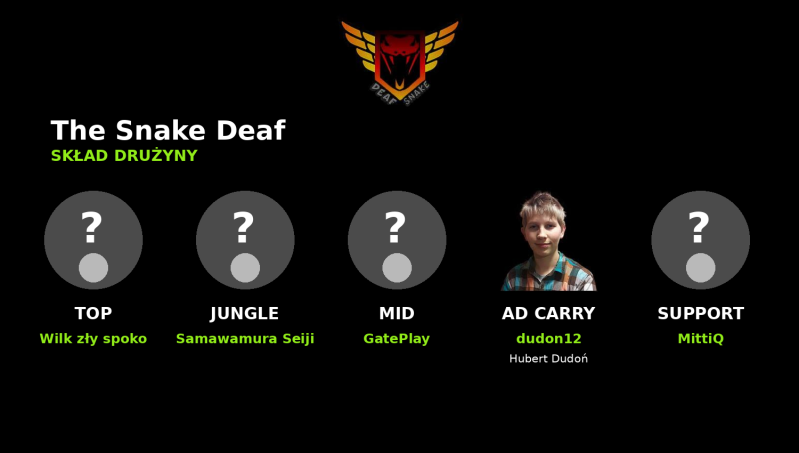
A very important chapter for me was the team The Snake Deaf. It was a group of Deaf players, and to this day I still have materials connected with that period: screenshots, conversations, team lists, schedules and other evidence. In materials from that period, I can be seen as dudon12 playing AD Carry. It was not a professional esports organisation with contracts and huge amounts of money. But for us, the competition was real. We prepared, talked, watched opponents and wanted to win.
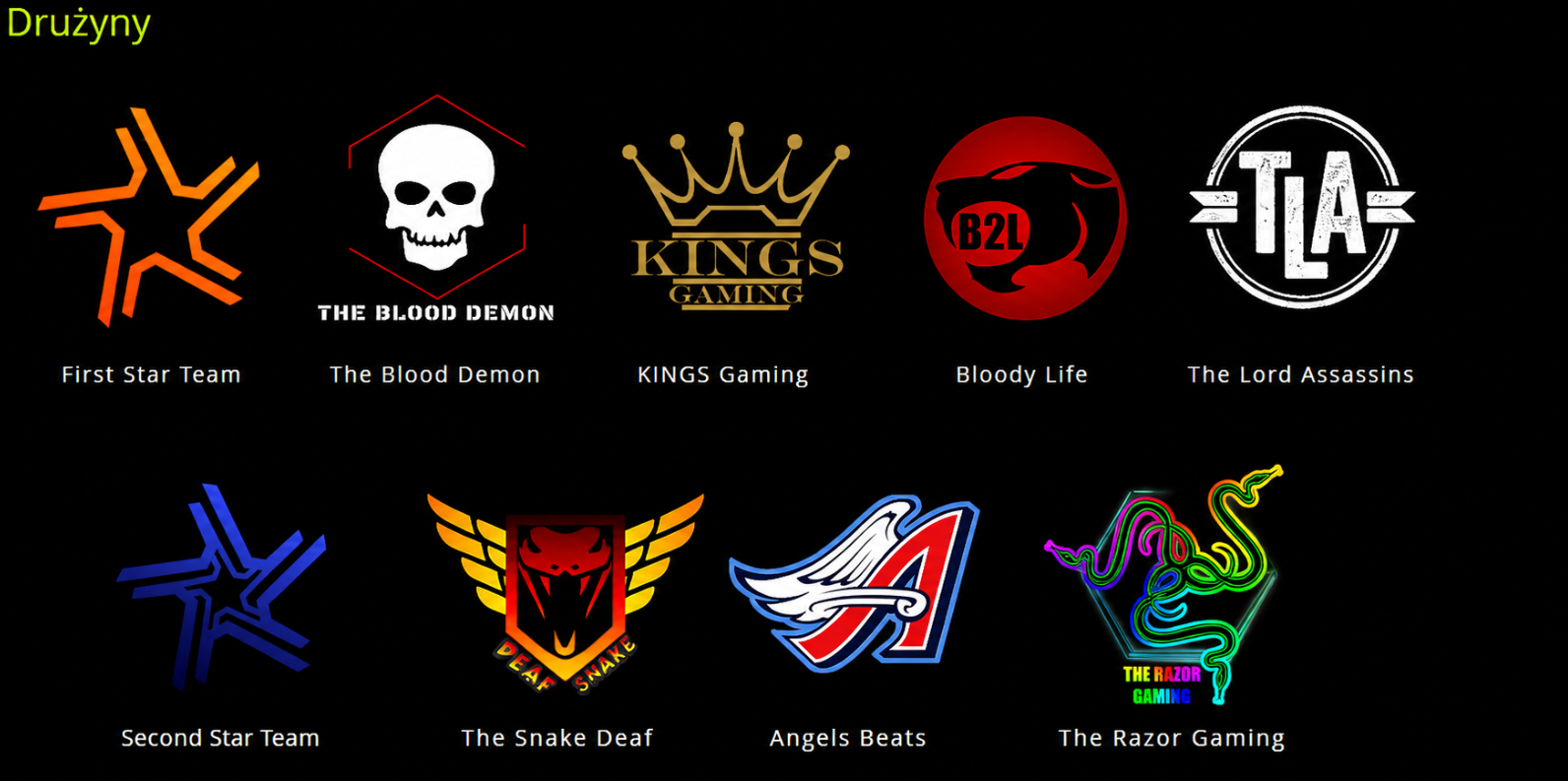
I also wanted the team to have its own identity. That is why the The Snake Deaf logo appeared. MittiQ helped with its preparation together with a friend who knew how to create graphics. The snake matched the character I saw in the team: aggression, fast attacks, unpredictability and an attempt to surprise the opponent. I also looked at professional esports organisations that had their own logos and recognisable style. I wanted our group to have something that belonged to us as well.
Communication in TSD was especially interesting to me because, as Deaf players, we did not build everything around voice. Pings, the map, agreements made before the game and understanding how teammates played were extremely important. If somebody saw danger, they pinged. If an opponent tried to provoke a fight in a bad place, we could stay closer to the tower and let them waste time. If we had a chance to farm safely, we used it. Every player also needed more than one champion because the opponent could ban the most important pick. For me, different periods included champions such as Quinn, Jinx and Vayne.
The Snake Deaf also taught me something that later became increasingly interesting to me in League: not only playing, but analysing the opponent. One of the teams we watched especially closely was KINGS Gaming. When we lost against stronger opponents, I did not want to end the entire discussion with “they are better, that’s all.” I was much more interested in the question: why were they better in that particular match and what exactly did they do differently?
I watched their positioning, their lane behaviour and the changes they made during the game. I looked at who was on BOT, who went TOP, when they changed positions and how they tried to surprise the opponent. After losing a match, the idea appeared not to enter the next one and blindly repeat exactly the same thing. I wanted to use what we had seen.
That is why, in one of the following games, we ourselves tried a BOT/TOP swap. It was not about copying simply for the sake of copying. First we saw something used by a stronger team, then we analysed why it might work, combined our own ideas and tried to apply a similar change in our own match. The opponents may not have expected it from us. That was exactly what interested me most: somebody does something against us, we remember it, analyse it and later try to reverse the situation and use a similar idea against somebody else.
The most important part for me was the first match after that analysis, because that was where we checked whether observation had actually taught us something. Later, we could return to a more normal setup. Not every change had to work and not every tactic could be repeated endlessly. If the opponent already knew what to expect, the surprise disappeared. That was one of my first stronger experiences showing me that League 5v5 is not simply five individual players pressing their own abilities. You can watch the opponent, remember their behaviour, change your setup and prepare a different answer for the next game.
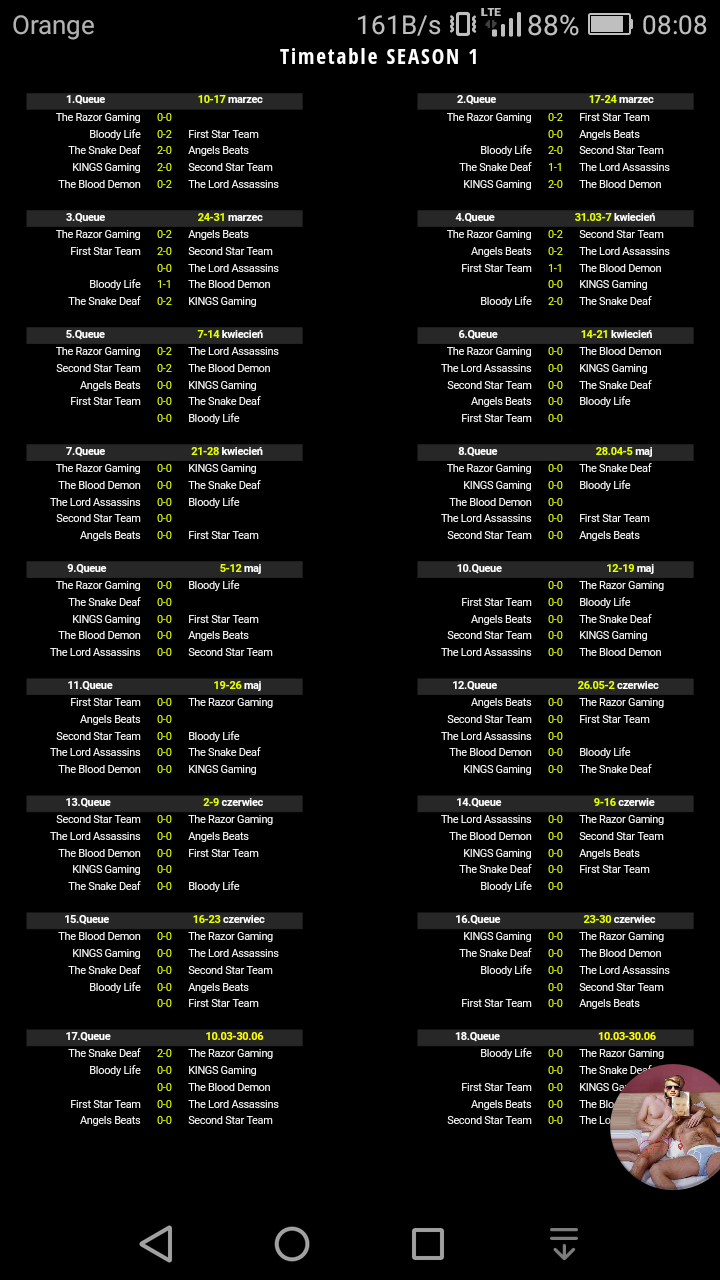
Some of the most memorable TSD games were 4v5 situations, and years later I managed to find old materials confirming one of the memories I had carried with me for a long time. On 15 March 2017, a post in the Deaf League community announced AB vs TSD for 18 March. When the match took place, AB had five players while The Snake Deaf had only four because one of our teammates could not play. We therefore played four against five from the beginning of the series. Despite that disadvantage, The Snake Deaf won both games and the final result was AB 0:2 TSD.
The surviving post from 18 March records the 2–0 result and explicitly mentions “4 vs 5.” The comments underneath make the situation even clearer: people asked whether TSD really had only four players, and the replies confirmed that we were playing with four because one teammate could not participate. Finding these materials years later was important to me because this particular 4v5 victory was no longer only something I remembered — there was still evidence from the time documenting what happened. Old schedules, match announcements, results, comments and links to broadcasts also preserve other parts of that period. Some original YouTube videos are no longer available today, so I cannot recover every match or every detail.
Other surviving posts also document matches against teams such as 1ST and KINGS Gaming, including match announcements, results, discussions and links to broadcasts that are no longer available today.
Playing four against five normally looks terrible, but I remember that we sometimes kept playing anyway and tried to find a way through it. The match against AB became the clearest documented example: five players on their side, four on ours, yet TSD won the series 2–0. At 3v5, however, the situation felt practically pointless to me and a walkover made much more sense. There were also walkovers because we simply could not gather enough players. That was normal life at the time: school, responsibilities, lack of time and different problems.
I remember strong opponents, including KINGS Gaming and another team with “Star” in its name. We watched other teams and tried to understand how they played. Sometimes, while watching from the outside, I thought I could see an easy way to beat somebody, but when I later played against them myself, everything looked completely different. That taught me something important: watching from the outside is easier than making decisions in the middle of the fight.
GatePlay could also surprise me a lot during that period, especially in some Lee Sin games. I could see that his level in certain areas was much higher than mine. That did not bother me. Quite the opposite — I wanted to understand why he could do something and what I still did not understand.
I also remember a completely absurd situation with my tooth from the TSD period. During one very intense match, my tooth cracked. I remember the emotions, trying to catch my breath and later jokes in our private chat. I do not want to claim that the game medically caused the tooth damage. It simply happened exactly during the match, and the absurdity of the whole situation made it unforgettable.
The Snake Deaf also had difficult moments. There were conflicts, provocations, insults and behaviours I would not want to repeat today. We were younger, more impulsive and sometimes the competition became too personal. I do not want to drag private conversations into public years later simply to attack specific people. What matters more to me is what I learned from those events.
The first season of TSD remains by far the strongest memory for me. There was a team, GatePlay, shared planning, opponent analysis, experimenting with positioning, 4v5 games, rivals, conflict, laughter and huge emotions. In the second season, everything slowly started to weaken. GatePlay decided to leave and I felt it strongly. Other people wanted to continue playing with me, but I did not have the same motivation then. I could not simply replace one important person with another and pretend everything was the same. By the third season, The Snake Deaf practically no longer existed in the form I remember most strongly.
GatePlay was my friend for many years. Our relationship was not limited to League. Eventually, it ended for private reasons that I do not want to publish. That does not mean I want to erase the good years that came before. He helped me, taught me League, invited me to his home and was an important part of my youth. Today, I may no longer have the same relationship with him, while still keeping gratitude for what was good. I do not want to turn the entire past into hatred just because the ending was different from the beginning.
Later, another very important person in my League story became lowisko. We met in person in Kraków during an event connected with Deaf football. I was around 20–21 years old at the time. There were many people there whom I had never met before. I watched them, looked at the sign language and the whole environment. I did not approach lowisko thinking, “this will become my future League partner.” Everything started normally.
At some point the topic of games came up. I told him I played AD Carry, liked a bold aggressive style and tried to push my own limits. We started talking more and more — about League, but also about life. I remember a situation with my partner at the time when the conversation became very unpleasant. I was much gentler then and often stayed silent instead of answering. lowisko calmly explained the situation and stood on my side. I remembered that because I felt that somebody had defended me.
Later, he added me on Facebook and we started playing together. I picked Jinx and he picked Braum. Suddenly it turned out that the combination worked extremely well. I remember a run of around 13–15 wins over one or two days and only a few losses. I do not present that as an official record because I do not have the complete match history, but that is how I remember that period. We were around Silver at the time. lowisko on Braum could protect me very well while also creating opportunities for aggressive plays. We understood each other in bot lane exceptionally well.
For a long time, lowisko was more often the one who called me to play: “come on, let’s play.” I did not always invite him first, but when I wanted to play together, I also messaged him. Over time, his style and roles changed. Support stopped being the thing I most strongly associated with him. One of his more characteristic picks later became Jax. I missed the old Braum a little because I remembered how well that combination worked, but every player develops differently.
For a long time, both of us struggled in Silver. That was our barrier. Later came Gold, then Platinum. Today, we look further towards Emerald and the next ranks. Our cooperation also matured. We do not finish the discussion with “the team was bad” or “we were unlucky.” We can think about why somebody got fed, where we made a mistake, when we should have gone to Drake, when I should have left the minions, where the ping was wrong and why the opponent used a particular situation.
Sometimes both of us become angry. Especially when we are trying to climb and an AFK appears, somebody starts feeding heavily or the behaviour looks like trolling. In Platinum, we started feeling frustration similar to what we once felt in Silver: once again we are at a barrier that is difficult to cross. At the same time, I know I cannot explain every loss by blaming other people. If two teammates make huge mistakes, it really does become harder. But I still want to know what I could have done better.
I also noticed interesting situations where, before a match or through rank indicators, we saw Emerald or Diamond players even though we were ranked lower. And sometimes we beat them. That is an important experience for me, but I do not use it as an argument that “I beat a Diamond, therefore I am Diamond.” One match proves nothing like that. It only shows that in one specific situation my skills were enough to handle somebody ranked higher. The real question is: can I do it consistently?
That is why I treat Challenger as a very distant goal, not a promise. If I never reach Challenger, it does not mean I will stop playing or that everything was pointless. First, I need to find a way into Emerald. Then I need to see whether I can maintain Diamond. Every higher level will reveal new mistakes. If I stop at a certain barrier, I will need time, analysis or somebody who sees something I cannot see myself.
I also have experience with Clash. It was a much more interesting direction for me than ordinary 1v1 because it finally offered full 5v5 and a more tournament-like approach. Player levels could be mixed — you could see people from different ranks, including Emerald or Diamond. In one of my first attempts, we managed to finish in first place and I remember that very positively. Later, we lost more often. That mattered too, because it showed me that one strong tournament does not mean the next one will look the same.
Clash appeared on specific dates, often on weekends. Today, I practically do not play it because I do not have a stable group of five people I can regularly join with. And that is exactly one of the things I still miss: a real five-person team that does not meet by accident for one match, but genuinely wants to develop.
In the past, I played much more 1v1. With GatePlay, it was a way to have fun, learn and test different champions. I especially remember one absurd duel: I played Miss Fortune and he played Yasuo. I used Q on a minion, Yasuo had his wall, and suddenly the bounce behaved in such a way that GatePlay took damage and died while low HP. Both of us were shocked. At the time, we thought it might have been some kind of bug. Years later, I am not going to claim it definitely was. What I remember most is our reaction and laughter.
GatePlay also used to provoke me in 1v1, tell me I was weak, and I tried to prove something to him. Sometimes I won, sometimes I lost and sometimes we both laughed about it. Today, I have a completely different approach. lowisko has also suggested 1v1 and I declined. If a stranger writes “come 1v1,” I also do not feel a need to accept. I am no longer interested in proving my value through one duel. I am much more interested in finding a good support or team and seeing whether we can make good decisions together.
Even so, 1v1 tournaments remain some of my best memories connected with League outside my home. I participated in two 1v1 tournaments connected with MSI Fan Days in Zabrze. I still have materials, photos, messages and screenshots from that period. In the first tournament, I won one duel and lost one. I remember the excitement because, for the first time, I was not simply sitting at my own computer. There was an event, other players, gaming stations and a line of people waiting for their turn.
After the first tournament, I wanted to try again. In the second one, I won two duels and lost one. I especially remember a small, younger opponent in red clothing who beat me in a very close fight. Years later, I am no longer sure whether he played Lee Sin, Fizz or another champion, so I do not want to invent it. What I do remember is how close the match felt. Afterwards, I analysed the farm and wondered where I had made a mistake and what had been missing for me to turn the result around.
I remember the organisers very positively. They knew I was Deaf and when I did not understand something, they tried to help me. I asked about rules and important things related to the tournament. I felt interest and support rather than being pushed aside. I also received MSI clothing and a controller. The controller especially surprised me because I had not expected it at all. I remember the excitement, the surprise and my gesture of gratitude. Those two tournaments were genuinely good experiences for me and remain very positive memories to this day.
Today, however, I am not looking for another 1v1 tournament. I understood that waiting a long time for my turn and then playing one short duel no longer gives me what I want. If I were to enter something more competitive again, I would much rather choose 5v5. A full match lasting thirty minutes, sometimes an hour, preparation, changes of plan, cooperation between five people, pressure and responsibility for your own role — that is much more interesting to me.
And this is where one of my still-unfulfilled experiences appears: I would like to try a real team with a coach. I am not saying that I am already a professional esports player. Quite the opposite — I want to see what I still do not know. I would like somebody to watch my decisions and tell me where I waste time, why I manage the wave badly, when I should go in, when I should back off and what a player or coach with more experience sees that I do not. I am especially interested in cooperation between a Deaf ADC and a hearing team. I still do not know the best way to solve communication. Maybe pings, maybe prepared signals, maybe another solution. I do not want to guess. I would like to experience it for real one day.
Esports was also another way of learning for me for many years. I attended IEM Katowice two or three times. I remember the huge number of people, the lights, the stage, the screens and the atmosphere of the entire place. As a Deaf person, I experienced the event differently from most of the crowd. For me, it was not mainly about music or commentary. I watched the lights, people’s reactions, huge screens, players and everything happening visually. That was enough for me to feel the scale of the event.
Thanks to Paweł, I had the chance to be closer to part of the event and it surprised me a lot. I also remember Wojtek, who managed to meet the players. I was nearby and wanted to do something similar, but stress stopped me. I could have gone up and asked for a photo, but questions appeared in my head: can I do it, do they have time, how do I start? The players moved on quickly and the opportunity disappeared. I was a little jealous of Wojtek, but not in a negative way. I simply thought: what a shame, I wanted a memory like that too.
The team that fascinated me most was SKT T1. I watched them and wondered why they were so difficult to beat. I did not just see five people with faster hands. I was interested in how they planned, how they cooperated, how a coach could affect preparation and why every player performed their role instead of five people randomly doing the same thing. That was something I did not get from ordinary solo queue.
The most famous player for me was and remains Faker. I associate him mainly with MID and SKT/T1. I wanted to meet him in person one day, even briefly, talk for a moment and have a memory from it. I never managed to do that back then. I also remember G2 and especially Jankos as a Polish jungler I followed closely. I watched Fnatic, Cloud9 and other organisations too. That does not mean I know the current situation of every team today. Several years ago, I practically stopped following esports regularly because I began to feel I could use that time differently. That is why my strongest memories are connected with the older SKT T1 era and those years.
League is also skins. In the earliest period, I did not have any huge collection. On one of my earlier accounts, which I originally remember from EUNE, I had only around 5–10 skins. I no longer remember the exact nickname of that account, and I do not want to invent it years later. I also remember that the account later became connected with the Turkish region, although I no longer remember every detail of how that change happened. I occasionally bought something I liked, and I remember, among other things, an older fiery Wukong skin and different cheap things or bundles. That was not the account with hundreds of skins.
The real large collection appeared later on my main account, first known as dudon12 and later as ArzteliaDujo. There, I remember having approximately 247–270 skins. Over the years, I bought skins, keys, bundles and other things that gave me enjoyment at the time. In total, over all those years, I may have spent from around 2,000 PLN up to several thousand or even over 10,000 PLN. I do not have a complete record of every payment, so I do not want to invent one exact number and present it as fact.
Skins also had a social meaning for me. GatePlay and I gave each other gifts over the years. If I noticed that he really liked a particular skin or wanted it, I could buy it for him. He did similar things for me. Sometimes I wanted a certain skin, sometimes he wanted something, and we could surprise each other. It was not an obligation and it was not about checking who spent more money. We knew each other for years and knew what could make the other person happy. Something similar may also have happened once or twice with lowisko, but after so many years I do not remember it clearly enough, so I do not want to build a story around something I am unsure of.
To me, a skin never meant greater skill. I do not believe that buying a skin suddenly makes somebody play better. The champion’s stats do not magically improve because the model looks different. I simply liked the visual change. If I see the same default champion model for a very long time, it starts to feel boring. Then I choose another skin and the game feels visually fresher. If I do not like a skin, I change to another. Skill still depends on the player, technique, decisions and experience.
One of the warmest skin-related stories I remember is connected with Debonair Ezreal. It was not a gift from GatePlay; it was a completely different situation. Once, during a conversation, I mentioned that I wanted the skin but did not want or was not able to spend money on it at that time. After the game, a complete stranger gifted me that exact skin. I no longer remember whether it was a man or a woman. What I do remember is my own surprise. I asked why they had done it, and the person had simply liked me and wanted to give me a reward after our game together. I felt a little embarrassed, turned red and thanked them a lot. Years later, I do not remember the person, but I remember the gesture. That is why this one skin has a value to me that cannot be measured only by its shop price.
I also have my own idea that I have never seen in exactly the form I imagine: ARZTELIADUJO FAN CONCEPT — WHITE CHAOS JINX. This is my personal fan-made idea for a Jinx skin. I imagine her in a very clean, futuristic white style, slightly moving toward an unusual superhero-like appearance while still matching Jinx’s personality. I do not want her to look like just another ordinary robot. White should be the base, while her eyes should be a strong orange colour, and all of her abilities should be the opposite of that calm white base — full of madness, many colours and chaotic effects. Almost like New Year’s Eve trapped inside one champion. Her ultimate should end with a huge, clean white flash — BOOM.
This is not an official Riot Games skin. It is my fan concept, based on my long-term connection with Jinx and my own imagination. If somebody likes the idea, they can share it as ArzteliaDujo Fan Concept — White Chaos Jinx. If the concept ever reached people involved in creating skins and they became interested in it, that would be incredible for me. What would make me happiest would be seeing other players genuinely wanting to use something that started as an idea sitting in my head for years.
I do not want to tell my League story only through positive memories, because then the text would not be honest. When I was younger, I could behave very toxically. I insulted people, used “KYS” and other offensive phrases. Riot warned me and I received punishments. I also remember a 14-day suspension. At that time, I was more immature, impulsive and did not take the rules seriously enough. Today, I do not need to look for an excuse. That behaviour was wrong.
One situation I remember particularly well was a match where I played Lulu as SUPPORT. I saw an opportunity for an aggressive engage and wanted my ADC to attack with me. They kept focusing on minions instead. I pinged, tried to encourage the fight and became increasingly angry. Instead of accepting that another player could have their own plan or simply not trust my decision, I lost control. I started trolling and intentionally dying under the tower. The other players reported me.
Today, I understand that situation completely differently. If my ADC does not want to go in, I can disagree. I can think we lost a great opportunity. But that does not give me the right to ruin the match for four other people. At the time, I did not understand that well enough. Today, I know that if somebody else trolls, feeds or goes AFK, I can report them. I should not answer trolling with more trolling.
Over time, I began reading Riot’s rules more carefully and learning more self-control. That does not mean I never become angry today. I can still become frustrated, especially during ranked games. The difference is that I understand emotion does not give me the right to cross every boundary. I can take a break. I can disable chat. I can report behaviour after the match. I can also think about my own mistake.
In 2023, one of the biggest falls in my entire League history happened: my old main account, which had changed from dudon12 to ArzteliaDujo, received a permanent ban. It was not an ordinary account to me. It had years of games, around 247–270 skins, money spent over the years, history, memories and my name. When I lost access permanently, I was furious, I cried and I thought about it for a very long time. I could not simply say, “whatever, I’ll make another one.”
At the same time, today I do not want to remove from the story the fact that I had received warnings before and that my behaviour had not always been correct. I can consider the permanent loss of the account extremely painful and also admit that I had crossed the rules myself in the past. That is part of growing up for me. After some time, I started taking the rules much more seriously and paying closer attention to my own behaviour.
After the ban, I did not immediately return to playing normally. It was a long period during which League remained in my head. But it was not the first long break in my life. Roughly between 2014 and 2016, I had a break of about two years because life was busy with other things and I simply did not have enough time to play regularly. It was not a conflict with the game. I simply put it aside, then later returned.
The break after the 2023 ban was different. This time, the reason was emotion and losing something I had built over years. The whole disruption to my normal playing lasted roughly around a year and several months, although the first attempts to return appeared after about half a year. There was not one day when everything suddenly became normal. First there was anger, then missing the game, then attempts to play again, and only gradually did I start enjoying the game itself once more.
lowisko could see how strongly losing League after the permanent ban had affected me. Around 2024, both of us were also going through private problems that I do not want to describe publicly. At one point, he stayed at my place for a while, and during that difficult period we supported each other in our own ways.
While he was at my place, lowisko logged into another League account on my laptop by entering the login and password himself. I asked him whose account it was and whether it belonged to him. He explained that it had previously belonged to one of his friends, who had stopped being interested in League and had decided to quit the game. According to lowisko, he had also asked his friend whether he was really sure about giving the account away, and his friend confirmed that he was and that he no longer wanted to play on it.
When lowisko offered the account to me, I refused around four times. After everything that had happened with my permanently banned account, I did not want another problem and initially wanted nothing to do with it. For some time, I simply stayed quiet about it. lowisko, however, knew how much I missed League and how strongly I had been affected by losing my old account. He wanted to support me and treated it as a gesture from the heart. Eventually, after refusing several times, I accepted it and decided to try playing League again.
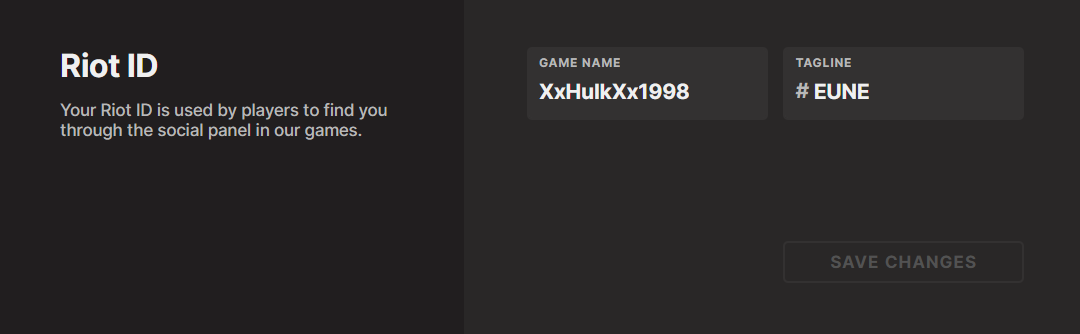
When I first started using the account in 2024, it was already around level 30 and was using the name XxHulkXx1998 #EUNE. I do not want to pretend that I created or developed the account from level one, because I did not. From around level 30 onward, however, I continued developing it myself.
The first more serious matches after returning were very emotional for me. Naturally, I was drawn back to ADC and Jinx. I remember a moment when tears appeared while I was playing. That was when I truly felt how much I had missed League. At the same time, the name XxHulkXx1998 did not fit me at all. I felt no connection to it. I kept playing and developing the account, but every time I looked at the name, I knew it was not the one I wanted to keep.
Only when the account had reached around level 247 did I decide to change its Riot ID to ArzteliaDujo#1304. That moment was very important to me. For the first time since the permanent ban, I could see the name ArzteliaDujo in the game again. It did not mean that my old permanently banned account had returned. This was a different account with a different history. But being able to play again as ArzteliaDujo#1304 gave me enormous happiness. lowisko could also see that I was gradually returning to my old energy and enjoying League again.
Today, the account is already around level 255, but that is obviously not the end. I am still playing, and the level will continue to grow over time, possibly for many more years. That is why I treat level 255 only as the current point in this story, not as its final result.
I understand that account sharing or transferring accounts can be against the rules. I am not including this part of my story to pretend otherwise or to encourage other people to do the same thing. I include it because this is what actually happened. I did not buy the account, search for an account to purchase or immediately ask to receive one. I refused several times, asked where it came from and eventually accepted something that another person had chosen to offer me as support during a difficult period of my life. I understand that rules can still apply to the situation, but I do not want to rewrite my history years later simply to make it look safer or more convenient.
Over roughly two years, I have also spent some of my own money on this account, including buying at least four skins. I may have bought more, but I do not remember the exact number and I do not want to invent one. Some of those payments can still be confirmed through my bank transaction history. Compared with my old account, however, I have spent much less money on this one.
I have not forgotten the old account. It is still valuable to me and I would still like to have the possibility of recovering it one day if Riot ever allows such a situation to be reconsidered. But I do not want to build my entire future around waiting. I can remember the old account and still continue developing the account I use now.
Around 2020, I also discovered Teamfight Tactics. At first, I looked at TFT a little like strange chess combined with League champions. I did not understand why one setup won and another suddenly lost, how items worked exactly, how synergies worked or how units should be positioned. For me, learning TFT was sometimes even more difficult than learning normal League. lowisko understood the system better, and I also remember Inextreme as somebody very strong at that kind of thinking.
I asked them questions, watched and tried to understand, but I still feel my TFT experience is much smaller than my experience in classic 5v5. Even after around six years, I would not say, “I already know everything.” Updates can annoy me because when I finally understand a particular set, changes arrive and I have to learn again. But the same thing has happened throughout my entire League history anyway.
What I find most interesting about TFT is the possibility of coming back from an almost lost position. I can be in eighth place with very little HP and look like somebody who is about to be eliminated. Then one good change in positioning, the right item, a good champion roll or a better economic decision can suddenly make me start winning rounds and climbing higher. Sometimes even toward TOP 1. I do not always know exactly how much was a perfect decision and how much was luck. That is exactly why I keep learning. Double Up adds even more difficulty because you also have to think about your partner.
When I look at my entire League history today, what I see most clearly is constant change. Riot changed. The map changed. Champions, items, dragons, Baron, the ranked system, skins and esports changed. The people around me changed too. GatePlay was one of the most important people for many years, and later our paths separated. The Snake Deaf was created and disappeared. lowisko appeared later and became part of my story over the following years. Some people stopped playing completely. About others, I practically know nothing anymore.
I changed too. In the past, I wanted to prove myself more often through 1v1. Today, I prefer 5v5. In the past, I reacted with anger much faster. Today, I try to analyse first. Once I did not know what AD and AP were. Today, I can discuss for a long time whether a support should roam at a specific lane state, whether an ADC can safely remain alone, whether focus should change and why a fight was lost.
That does not mean I have reached the end of learning. Quite the opposite. I still make mistakes. There are still matches where I judge a situation badly. I can still feed, position badly in a teamfight or stay with minions too long. I can still miss a ping. I can still think an opponent is an easy target and then see a grey screen a moment later. The more I play, the more I see how many small details make up a single match.
That is why I do not want to brag only about rank. Platinum is another stage for me, not proof that I am the best. Emerald would be the next barrier. Then Diamond. Challenger remains somewhere very far away. If I never reach it, I will accept that. I do not want to stop playing just because I did not achieve one word on the screen. I can take a break, return, find another way, talk with lowisko, analyse mistakes or one day ask a coach for help.
What I would most like to experience now is real team play: five people, regular training, a coach, preparation for opponents, post-match analysis, scrims and a shared goal. I do not know whether that will ever happen at a high level. I do not want to promise an esports career that I do not yet have. I simply want the chance to test myself in an environment that I have not truly experienced yet.
If I ever meet Faker, Jankos or other players I watched when I was younger, I would simply like to have a good memory from it. If somebody connected with creating League ever sees my White Chaos Jinx, that would also be incredible. If not, the concept will still remain mine and will still be part of this story.
After all these years, League of Legends is not simply “my favourite game.” That would be too little.
It is dudon12, and later ArzteliaDujo. It is GatePlay explaining the basics to me and laughing while I tried to play without a normal mouse. It is later me watching in surprise while he himself tried to find a way to play with limited use of one hand. It is old maps, old champions and reworks. It is MittiQ, the snake logo and The Snake Deaf. It is losing against stronger players, then analysing the match, watching KINGS Gaming and deciding to try a BOT/TOP swap ourselves instead of always doing exactly the same thing. It is 4v5 games, rivals, mistakes and shared planning.
It is lowisko and the first Jinx with Braum, a run of many wins, later discussions about mistakes and a shared fight for higher ranks. It is the tournaments in Zabrze, MSI clothing and a controller, Clash and the dream of real 5v5. It is IEM Katowice, SKT T1, Faker, Jankos and watching people who showed me how huge the difference can be between random play and a prepared team.
It is the first account with only a few skins, the dudon12 account that later became ArzteliaDujo with around 247–270 skins, and eventually a different account that brought the ArzteliaDujo name back to my screen after the permanent ban. It is money spent over many years, the exact total of which I can no longer calculate. It is GatePlay and me giving each other gifts because we knew which skin the other person would like. It is a stranger unexpectedly gifting me Debonair Ezreal and leaving behind a memory much more valuable than the skin itself. It is also my own White Chaos Jinx — white, orange eyes, colourful madness and a huge white flash on the ultimate.
It is also toxicity, KYS, trolling on Lulu, warnings, punishments and a permanent ban — things I do not want to hide because they are also part of the story. It is an earlier long break from the game, later losing my old account, missing League, slowly returning and seeing the name ArzteliaDujo on the screen again.
I did not do everything well. I am not proud of every moment. I insulted people, trolled, became angry and crossed boundaries. I received warnings and punishments, and I understand why some of them happened. I did not keep every person in my life. I did not win every fight and I did not cross every barrier.
But being honest about my own mistakes does not mean remaining silent about things I disagree with.
I can accept responsibility for something I intentionally did and still believe that technical failures, crashes, internet problems or a computer freezing should not automatically be viewed in exactly the same way as somebody deliberately abandoning a match. I can understand why Riot has rules and still believe that permanent punishment can sometimes be too severe compared with a long temporary suspension that gives somebody a real opportunity to change.
The same honesty applies to the account I later started using. I could easily remove that part of the story or write something that sounds safer. I do not want to do that. I did not create that account from level one. It reached me at around level 30 after I had refused it several times, and from there I continued developing it myself. At around level 247, I changed its Riot ID to ArzteliaDujo#1304, and today it is already around level 255 and continuing to grow. That is the real history, so that is the history I want to tell.
I am not writing this story to declare war on Riot Games. I still love League of Legends. If I did not care about the game, none of this would matter so much to me. My criticism exists precisely because League has been part of my life for so many years.
Through League of Legends, I learned much more than simply pressing QWER. I learned to observe, lose, try again, trust another player, change the plan, analyse an opponent, accept the consequences of my own mistakes and search for another solution when the first one stops working. I also learned that accepting responsibility does not require me to agree with everything or stay silent when I believe something could be fairer.
I am still an ADC. Jinx is still special to me. I still want to see how far I can go. But today, the most important thing is not saying, “I am the best.” The more important question is: what do I still not know, what can I improve, and what can I understand better tomorrow than I understand today?
After roughly fourteen years, League is no longer simply about how many matches I can play. My life has more responsibilities, plans, challenges and experiences outside the computer. Sometimes I need to leave the game because something else is more important.
But League is still there.
Somewhere between the old Masteries, the runes I once struggled to understand, Silver V, promotion series, more than a thousand matches, The Snake Deaf, GatePlay, lowisko, Jinx, victories, defeats, mistakes, punishments, the permanent ban and all the times I returned after taking a break, League became part of my personal history.
That history contains good decisions and terrible ones. It contains things I am proud of and things I would never repeat today. It contains rules I understand, punishments I accept and other decisions I still disagree with.
I do not need to erase any of that to make the story look perfect.
What matters is that League grew alongside me. When I was younger, I struggled to understand what some of the symbols and words on the screen even meant. Years later, I understand not only the game much better, but also myself much better.
I do not know how much I will play in the future. It could be hundreds of matches, very few matches or another unexpected period when I play a lot again. My current account will continue changing, its level will continue growing, and my own life will continue moving forward as well.
I have learned to leave League when life requires me to without needing to remove it completely from my life. I have also learned that telling my story honestly means accepting my own mistakes without hiding them, while still having the right to say when I disagree.
And as long as I still feel that desire to return from time to time, my story with League of Legends is not finished yet.
LEAGUE OF LEGENDS TOURNAMENT — ZABRZE
Original footage • See me at 4:54
Add comment
Comments